
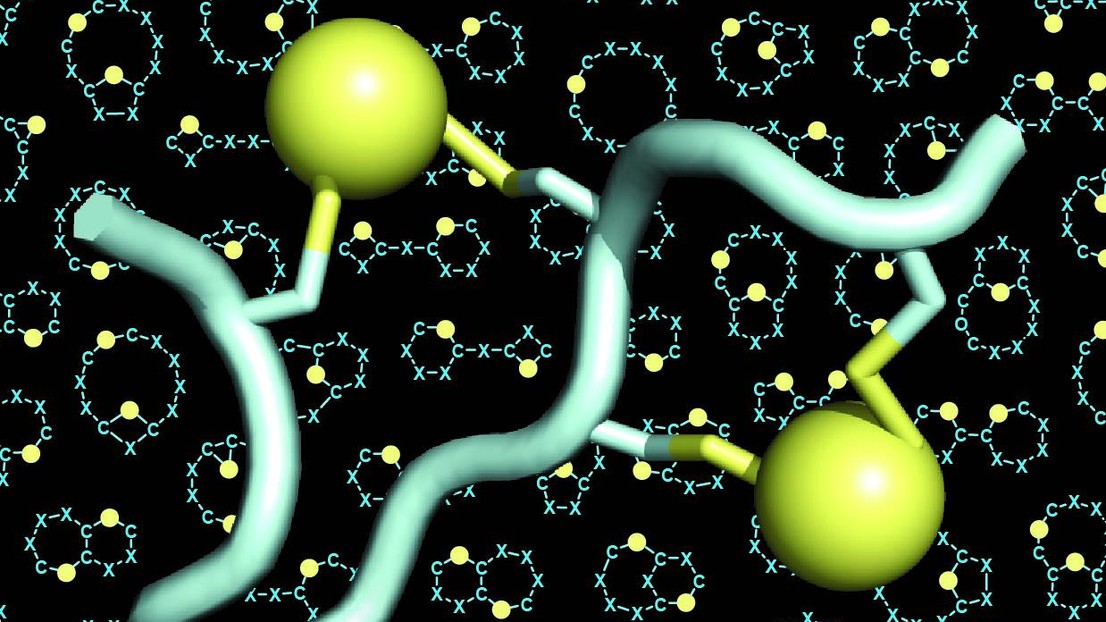
Peptide-protein interactions power biological processes everywhere. Signalling cascades. Immune responses. Enzymatic regulation. Grasping what controls these binding events matters for drug development and basic science. Whether peptides successfully grab target proteins with decent affinity and specificity depends on multiple factors. Five essential determinants control peptide binding to proteins, affecting affinity and specificity across different conditions, as explained on bluumpeptides.com.
Amino acid composition
Primary sequence sets binding potential from the start. Where amino acids sit along the peptide matters as much. Bunch hydrophobic residues together and you get binding hotspots concentrating interaction energy. Mix charged and hydrophobic residues in alternating patterns and form amphipathic structures. These work great for membrane protein binding or busting apart protein-protein interfaces. Drop proline residues in strategic spots and conformational constraints appear, reducing entropy costs when binding happens, while potentially building recognition needs for turn structures.
Structural conformation flexibility
How many peptides can flex impacts binding speed and thermodynamics heavily. Super flexible peptides explore tons of shapes before binding, potentially slowing down how fast association happens. Flexibility brings advantages, though. Induced fit mechanisms kick in where peptides mould themselves to binding pocket shapes, maximising how well everything fits. This bendiness often lets peptides bind multiple related targets. Lock peptides into specific shapes through cyclisation, stapling, rigid scaffolds, ds, and preorganized binding surfaces appear. Preorganization cuts entropy losses when binding happens, improving affinity thermodynamically.
Electrostatic complementarity forces
Charge matching between peptide and protein surfaces kicks off initial recognition and binding. Positively charged peptide zones pull toward negatively charged protein spots. Vice versa works too. Long-range electrostatic forces steer peptides toward binding sites before shorter-range interactions take control. Salt bridges, building between charged residues, dump significant binding energy into the mix. pH swings dramatically mess with electrostatic interactions by flipping protonation states. Histidine residues carry a pKa near physiological pH, showing pH-dependent charge, making them handy for pH-sensitive binding. Ionic strength tweaks electrostatic contributions, too. Crank salt concentrations high, and charges get screened, reducing the electrostatic pull.
Hydrophobic interaction effects
Hydrophobic effects provide major thermodynamic muscle pushing peptide-protein binding forward. Burying hydrophobic surfaces away from water releases ordered water molecules, cranking entropy up favourably. Entropy gains often beat enthalpy costs from snapping water-solute hydrogen bonds. Hydrophobic cores forming between peptides and proteins build stable binding interfaces. Hydrophobic residue size and shape determine how efficiently things pack inside binding pockets. Smaller residues like alanine pack tightly but kick in less binding energy. Bigger residues like tryptophan, phenylalanine contribute substantial binding energy through extensive van der Waals contacts but demand larger binding pockets.
Temperature and kinetic stability
Temperature hits binding through multiple paths. Crank the temperature up, and molecular motion increases, potentially breaking binding complexes apart. Temperature also messes with protein folding states, potentially showing or hiding binding sites. Binding affinity typically drops as temperature climbs, though enthalpy-driven interactions might flip that trend. Therapeutic peptides need to maintain binding across physiological temperature swings. Binding speed shows temperature dependence through activation energies. Association rates generally climb with temperature as molecules zip around faster, bumping into binding partners more often.
A major influence is made by amino acid composition, structural flexibility, electrostatic interactions, and hydrophobic interactions. Strongness, specificity, and speed all depend on these factors. Rational peptide design demands balancing these factors, tweaking binding characteristics for whatever application you’re chasing. Grasping these principles lets people develop peptide drugs with better target grabbing and biological punch across different therapeutic situations.
 Medix A Health