
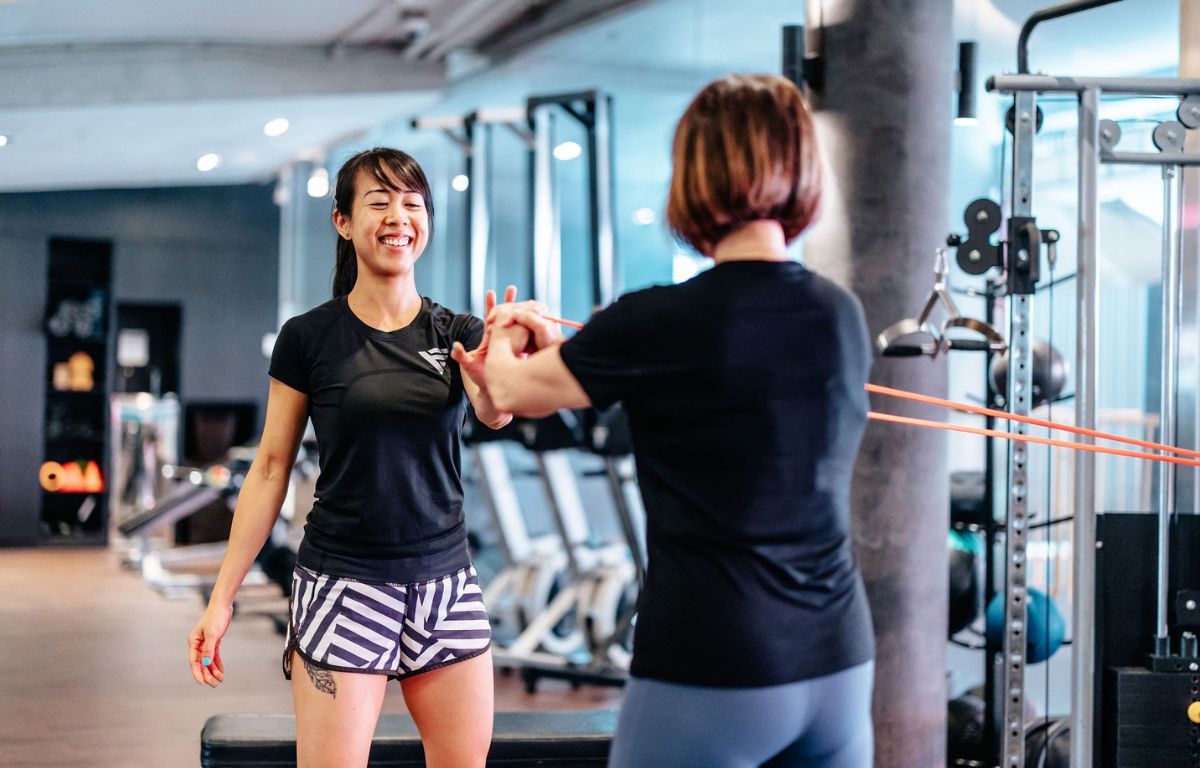
Fitness is not one-size-fits-all. The needs of a teenager preparing for competitive sports are very different from those of a senior looking to improve mobility and independence. This is why working with a personal gym trainer Singapore becomes especially valuable. Trainers understand how age affects the body and tailor programmes that match the physical capabilities, health concerns, and goals of each stage of life.
From youth athletes to working adults and older seniors, fitness should always be approached with safety and progression in mind. A trainer provides that structure, ensuring that workouts are not only effective but also appropriate for the individual’s age. This approach makes fitness more sustainable and enjoyable across a lifetime.
Why Age-Specific Training Matters
The body changes as we age. Energy levels, muscle mass, flexibility, and recovery ability all shift with time. Training that works for a 20-year-old may be risky for someone in their 50s or 60s. Age-specific training ensures that:
-
Exercises are safe and aligned with health conditions.
-
Goals are realistic and achievable at each stage of life.
-
Programmes focus on long-term sustainability rather than short-term gains.
-
Individuals remain motivated by seeing progress appropriate for their age group.
Without customisation, workouts may lead to injuries, frustration, or burnout. Trainers prevent this by adjusting intensity, volume, and recovery based on age.
Youth and Teenagers: Building Foundations
For younger individuals, the focus is on building a solid foundation of movement and athleticism. Trainers guide teenagers in developing proper form, coordination, and discipline that can benefit them in school sports or lifelong fitness.
Key elements of youth programmes include:
-
Fundamental movement skills such as squats, lunges, pushes, and pulls.
-
Injury prevention by teaching correct form early on.
-
Gradual strength building using bodyweight and light resistance.
-
Balanced development to avoid overtraining or focusing too much on one sport.
Trainers also act as mentors, instilling habits of discipline, resilience, and self-confidence that extend beyond the gym.
Adults in Their 20s and 30s: Performance and Lifestyle
Young adults often seek fitness for performance, aesthetics, or stress relief. Trainers design programmes that balance these priorities with the realities of busy work schedules.
-
Strength and endurance training are often emphasised to support active lifestyles.
-
High-intensity routines may be incorporated for fat loss or improved cardiovascular health.
-
Stress management through structured exercise helps professionals maintain focus and energy.
At this stage, trainers help clients maximise their physical potential while building routines that are adaptable to career and family commitments.
Adults in Their 40s: Preventing Decline
In the 40s, many people start to notice changes such as reduced metabolism, slower recovery, and increased joint stiffness. Trainers adjust programmes to maintain strength and vitality while preventing age-related decline.
-
Strength training is crucial to preserve muscle mass.
-
Mobility work addresses stiffness from sedentary habits.
-
Balanced cardio improves heart health without overstraining the body.
-
Weight management strategies help combat slower metabolism.
This age group often benefits from structured accountability, as personal and professional commitments may otherwise push fitness aside.
Adults in Their 50s: Supporting Health and Longevity
By the 50s, health takes centre stage. Trainers focus on exercises that improve bone density, joint health, and cardiovascular fitness. Training becomes less about aesthetics and more about function and vitality.
-
Low-impact exercises such as resistance band work or swimming-inspired routines reduce joint stress.
-
Strength training supports bone density and reduces osteoporosis risks.
-
Balance and stability exercises help prevent falls and injuries.
-
Moderate cardio maintains heart health and endurance.
Trainers adapt workouts to address individual health conditions such as diabetes, hypertension, or arthritis, ensuring safety while building strength.
Seniors in Their 60s and Beyond: Independence and Mobility
For seniors, fitness is about independence, confidence, and quality of life. Trainers help older adults remain active and capable of daily tasks.
-
Functional movements such as sit-to-stand drills replicate daily activities.
-
Balance training reduces fall risk.
-
Light resistance exercises preserve muscle tone and bone strength.
-
Flexibility and mobility routines keep joints healthy.
Trainers also provide reassurance and supervision, which builds confidence for seniors who may feel uncertain about exercise.
The Role of Recovery Across Ages
Regardless of age, recovery is a critical component of fitness. Trainers tailor recovery protocols based on age-specific needs:
-
Younger clients may recover faster but still need education on rest.
-
Middle-aged adults often need structured rest days and stress management.
-
Seniors benefit from longer recovery periods and gentle mobility work.
This ensures progress continues without injury or burnout.
Mental and Emotional Benefits of Age-Specific Training
Fitness is not just physical. At every age, training provides emotional and psychological benefits.
-
Youths gain self-confidence and discipline.
-
Adults relieve stress and improve work-life balance.
-
Seniors enjoy independence, social interaction, and a sense of purpose.
Trainers play a role in nurturing these benefits by providing encouragement and creating supportive environments.
True Fitness Singapore and Training Across Generations
At True Fitness Singapore, trainers understand that fitness journeys look different at every stage of life. Their approach ensures that teenagers, busy professionals, and seniors all receive guidance suited to their unique needs. By focusing on age-specific programming, they help clients not only reach their goals but also maintain health, energy, and confidence throughout life.
FAQs on Age-Specific Training with Personal Trainers
Q. Is it safe for teenagers to work with a personal trainer?
Yes. Trainers design age-appropriate routines focused on movement skills and gradual strength building. The goal is not heavy lifting but developing good habits and safe techniques.
Q. What kind of training is best for people in their 40s?
Strength training combined with mobility and moderate cardio works best. Trainers in Singapore often tailor plans to address slower metabolism and joint stiffness while supporting weight management.
Q. Can seniors with health conditions still train safely?
Yes, as long as programmes are customised. Trainers adapt workouts to consider conditions such as arthritis, hypertension, or osteoporosis, keeping safety as the top priority.
Q. How do trainers adjust recovery times for older adults?
Seniors typically need longer recovery and lighter intensity sessions. Trainers structure workouts to include gentle movements and sufficient rest days.
Q. Does age-specific training really improve quality of life?
Absolutely. From preventing injuries in youth to maintaining independence in seniors, tailored fitness supports not just physical health but also emotional well-being and confidence.
 Medix A Health