
Introduction: Food as More Than Fuel
In today’s fast-paced, convenience-driven society, the concept of nutrition has often been reduced to a simple checklist—calories counted, macronutrients tracked, and occasional indulgences rationalized. Yet, nutrition is not merely about eating to survive. It is a complex, dynamic interplay of science, culture, psychology, and self-awareness. To speak meaningfully about nutrition and diet, one must consider food as a fundamental expression of health, emotion, and identity. When understood through this broader lens, nutrition becomes less about rules and more about rhythm—your body’s unique, intuitive rhythm for thriving.
The Fundamentals of Balanced Nutrition
Understanding nutrition begins with the essential building blocks that fuel and maintain the human body. A well-balanced diet isn’t about strict limitations or eliminating entire food groups. It’s about giving your body the nutrients it needs while enjoying a wide variety of satisfying, delicious foods.
Key components of a nourishing diet include:
-
Macronutrients:
-
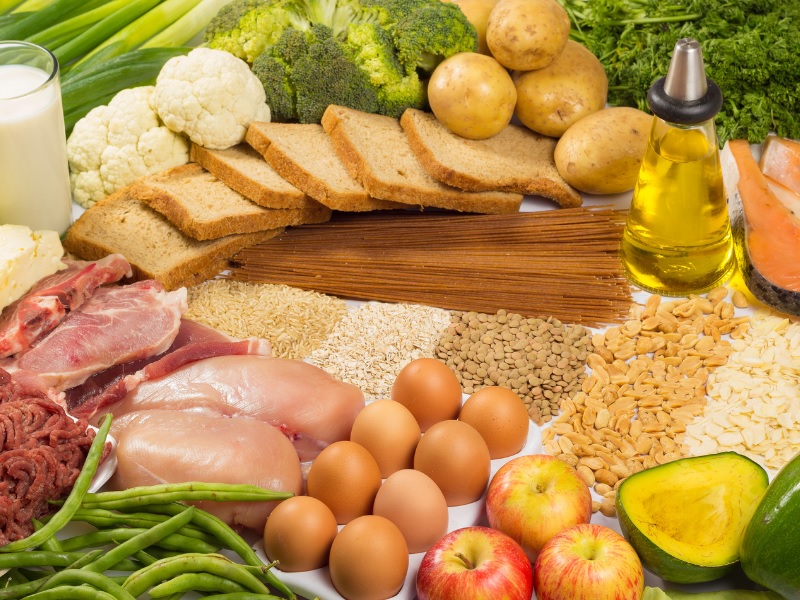
Proteins: Required for muscle repair, immune function, and hormone synthesis. Excellent sources include lean meats, legumes, dairy, tofu, eggs, and fish.
-
Carbohydrates: The body’s primary energy source. Prioritize complex carbs from whole grains, fruits, and vegetables over refined sugars.
-
Fats: Necessary for brain function, nutrient absorption, and hormonal balance. Emphasize healthy fats from avocados, nuts, seeds, and olive oil.
-
-
Micronutrients:
-
Vital for metabolic processes, bone health, immunity, and overall vitality. Incorporate a rainbow of fruits and vegetables, along with seeds, nuts, and dairy for essential vitamins and minerals.
-
-
Water:
-
Often underestimated, hydration plays a critical role in every cellular process. Aim to drink consistently throughout the day rather than only when thirst strikes.
-
-
Fiber:
-
Supports digestion, regulates blood sugar, and keeps you feeling full longer. Abundant in fruits, vegetables, whole grains, and legumes.
-
The Pitfalls of Modern Diet Culture
Despite increased awareness about health, modern diet culture often promotes confusion, fear, and rigidity around food. From low-carb fads to detox juices, the market is filled with quick fixes that promise transformation but rarely deliver sustainable health.
Common issues with diet culture:
-
Overemphasis on restriction: Severely limiting calories or food groups often leads to nutrient deficiencies and disordered eating patterns.
-
One-size-fits-all mentality: Every body is unique; what works for one person may be entirely unsuitable for another.
-
Obsession with aesthetics: Weight loss is frequently prioritized over true health, leading individuals to adopt diets that are not nutritionally sound.
A more enlightened approach to diet focuses on nourishment, not punishment—on empowering individuals to make choices that honor both their bodies and their lived experiences.
Embracing a Sustainable, Personalized Diet
The most effective nutritional plan is one that you can maintain not just for weeks, but for life. It should be rooted in your personal health goals, lifestyle, preferences, and cultural background.
Principles of a sustainable and personalized diet:
-
Moderation over elimination: Allow for indulgences within a framework of balance.
-
Mindful eating: Pay attention to hunger cues, savor meals, and avoid distractions while eating.
-
Meal planning: Thoughtful preparation reduces impulse decisions and encourages consistent healthy eating.
-
Listen to your body: Energy, mood, sleep, and digestion can all signal whether your current diet is serving you well.
The Gut-Brain Connection: Why What You Eat Affects How You Feel
Emerging research in nutritional neuroscience reveals a powerful link between gut health and mental well-being. The gut is often called the “second brain” because of its vast network of neurons and the microbiome’s influence on mood and cognition.
Foods that support gut and brain health:
-
Probiotics: Found in fermented foods like yogurt, kimchi, and sauerkraut, they introduce beneficial bacteria into the digestive tract.
-
Prebiotics: Fiber-rich foods like bananas, garlic, onions, and asparagus feed the healthy bacteria already present in your gut.
-
Anti-inflammatory foods: Berries, leafy greens, fatty fish, and turmeric help reduce systemic inflammation, which is linked to depression and anxiety.
Nourishing your gut may improve not only digestion and immunity but also focus, mood stability, and sleep quality.
Rethinking “Healthy”: Food as Pleasure, Culture, and Connection
Too often, health is defined in narrow terms, detached from the emotional and cultural significance of food. True wellness includes how food makes you feel—physically and emotionally. Meals are often social rituals, expressions of love, and carriers of cultural identity. Ignoring this dimension risks reducing food to a utilitarian chore.
How to foster a holistic relationship with food:
-
Celebrate cultural foods: Traditional cuisines often carry generations of nutritional wisdom. There is no need to abandon them in pursuit of mainstream trends.
-
Practice gratitude: A moment of pause before eating creates mindfulness and appreciation.
-
Cook with intention: Preparing food from scratch not only improves nutrition but deepens your connection to the process of nourishment.
Practical Tips for Everyday Nutrition
Small, consistent actions are the backbone of lasting dietary habits. You don’t need a perfect plan—just thoughtful, incremental steps.
Daily habits to support optimal nutrition:
-
Begin your day with a balanced breakfast that includes protein and fiber.
-
Keep healthy snacks on hand to avoid impulsive, less nutritious choices.
-
Hydrate consistently; add lemon, cucumber, or herbs for flavor if plain water feels dull.
-
Prepare double portions of meals to reduce cooking time during busy weeks.
-
Limit processed foods by sticking to the outer aisles of the grocery store, where fresh produce, meats, and dairy are typically found.
Conclusion: Nourish with Purpose, Live with Clarity
Nutrition and diet are not simply about rules and routines—they are reflections of how we choose to care for ourselves. A wise approach to eating does not chase perfection but embraces progress. It honors individual differences, adapts with changing needs, and fosters a sense of empowerment, not guilt. When we view food not as a battleground, but as an ally in health and happiness, we reclaim the joy and clarity that true nourishment offers. Eat with intention. Choose with awareness. And let your diet be a reflection of your deepest values—balance, respect, and vitality.
 Medix A Health