
Introduction: Medicine at the Crossroads of Tradition and Innovation
In a world increasingly shaped by scientific progress and personalized care, understanding medical conditions and their corresponding treatments has never been more important. Whether dealing with a short-term illness or managing a chronic condition, patients today are more informed and involved in their healthcare than ever before. The medical landscape, once dominated solely by generalized protocols, has evolved into a finely-tuned ecosystem of specialized treatments, interdisciplinary collaboration, and patient-centered care. In this article, we will explore the spectrum of medical conditions, highlight key treatments, and reflect on the modern approaches transforming healthcare.
Understanding Medical Conditions: The Foundations of Diagnosis
Medical conditions encompass a wide array of diseases and disorders that impact physical or mental health. These conditions vary in severity, duration, and cause, and can generally be categorized into several broad types:
-
Acute Conditions: These are short-term and often sudden in onset, such as infections, injuries, or a heart attack.
-
Chronic Conditions: Long-lasting or lifelong conditions like diabetes, hypertension, and arthritis, requiring continuous care and management.
-
Genetic and Congenital Disorders: Conditions like cystic fibrosis or Down syndrome that are present from birth due to genetic abnormalities.
-
Infectious Diseases: Caused by pathogens such as bacteria, viruses, or fungi. These include illnesses like influenza, tuberculosis, and COVID-19.
-
Mental Health Disorders: Conditions affecting emotional and psychological well-being, such as anxiety, depression, and bipolar disorder.
Each of these categories requires a different approach to diagnosis and treatment, yet they all share a common foundation—early detection and appropriate medical intervention.
The Diagnostic Process: Clarity Through Clinical Precision
Accurate diagnosis is the cornerstone of effective treatment. It typically begins with a detailed patient history and physical examination, followed by diagnostic tests tailored to the suspected condition. These may include:
-
Laboratory Tests: Blood panels, urine tests, and cultures help detect infections, hormonal imbalances, or organ dysfunction.
-
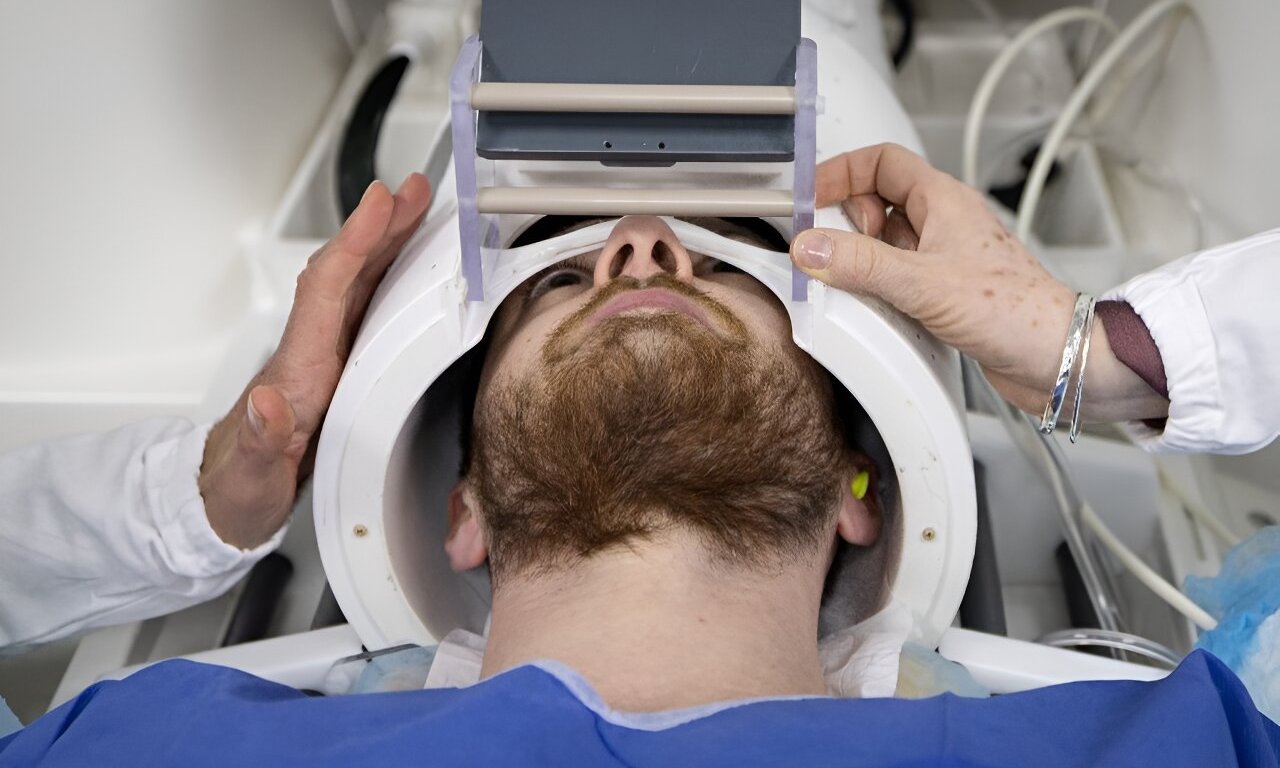
Imaging Studies: X-rays, MRI scans, CT scans, and ultrasounds provide visual insights into internal organs and structures.
-
Genetic Testing: Particularly valuable in identifying inherited disorders and assessing risks for future disease.
-
Biopsies and Pathology Reports: Essential for diagnosing cancers and other tissue-based abnormalities.
Modern diagnostic tools are increasingly enhanced by artificial intelligence and machine learning, which assist in identifying patterns, reducing diagnostic errors, and expediting results.
Treatment Approaches: From Medication to Mindfulness
Once a diagnosis is confirmed, a tailored treatment plan is developed based on the severity, cause, and progression of the condition. Treatments today are more holistic and multidisciplinary, often combining multiple methods for maximum effectiveness.
1. Pharmacological Interventions
Medications remain the backbone of treatment for many conditions. These include:
-
Antibiotics for bacterial infections
-
Antihypertensives to control high blood pressure
-
Insulin and oral hypoglycemics for diabetes
-
Antidepressants and antipsychotics for mental health disorders
Drug development has advanced significantly, with targeted therapies now available for conditions like cancer and autoimmune diseases, reducing side effects and improving outcomes.
2. Surgical Treatments
Surgery is often necessary for conditions that cannot be managed medically, such as tumors, organ failure, or physical trauma. Innovations like robotic-assisted surgery and minimally invasive techniques have transformed the surgical experience, offering:
-
Reduced pain
-
Faster recovery times
-
Fewer complications
3. Lifestyle and Behavioral Modifications
Many chronic diseases can be prevented or managed through lifestyle changes, including:
-
Healthy eating
-
Regular exercise
-
Adequate sleep
-
Smoking cessation
Doctors now routinely integrate lifestyle counseling into treatment plans, acknowledging the powerful link between daily habits and long-term health.
4. Physical and Psychological Therapies
Physical therapy is crucial for recovery from injury or surgery, while psychological therapies, such as cognitive behavioral therapy (CBT), are effective for conditions like depression and anxiety. Rehabilitation also plays a key role in helping patients regain function and independence.
5. Emerging and Alternative Therapies
Breakthroughs in medical research have introduced novel treatments:
-
Gene therapy, offering potential cures for certain inherited diseases
-
Immunotherapy, which empowers the immune system to fight cancer
-
Stem cell treatments, aimed at regenerating damaged tissues
Additionally, complementary therapies such as acupuncture, meditation, and herbal medicine are increasingly used alongside conventional treatments, particularly for pain management and stress reduction.
Personalized Medicine: Tailoring Treatment to the Individual
One of the most transformative trends in modern healthcare is personalized medicine. Rather than applying a one-size-fits-all model, this approach uses genetic, environmental, and lifestyle factors to customize treatment plans. For example, pharmacogenomics enables doctors to choose medications based on how an individual’s genes affect drug metabolism, leading to more effective and safer outcomes.
Patient Engagement: A Cornerstone of Better Outcomes
The success of any treatment is greatly influenced by the patient’s involvement in their own care. Educated patients are more likely to adhere to treatment plans, report symptoms early, and engage in preventive care. Healthcare providers now emphasize shared decision-making, where patients are active participants in the selection of their treatment path.
Prevention: The Most Powerful Treatment of All
Preventive medicine is a proactive approach that aims to avert the onset of disease. Strategies include:
-
Vaccination programs
-
Routine screenings (e.g., mammograms, colonoscopies)
-
Public health campaigns promoting nutrition and physical activity
Preventive care not only saves lives but also reduces healthcare costs and improves quality of life.
Challenges Ahead: Equity, Access, and Ethical Considerations
Despite medical advances, challenges remain. Access to quality healthcare is still limited in many parts of the world. Ethical questions surrounding gene editing, end-of-life care, and data privacy require ongoing debate and regulation. Ensuring that innovations benefit all people, regardless of socioeconomic status, is essential for a just healthcare system.
Conclusion: Reimagining Recovery and Wellness
Medicine is no longer just about treating illness—it’s about promoting well-being, preventing disease, and personalizing care. As we continue to innovate and expand our understanding of medical science, the relationship between patient and provider becomes ever more central. By embracing both technological advancements and human compassion, the future of medical treatment promises not only longer lives but healthier, more fulfilling ones.
 Medix A Health